
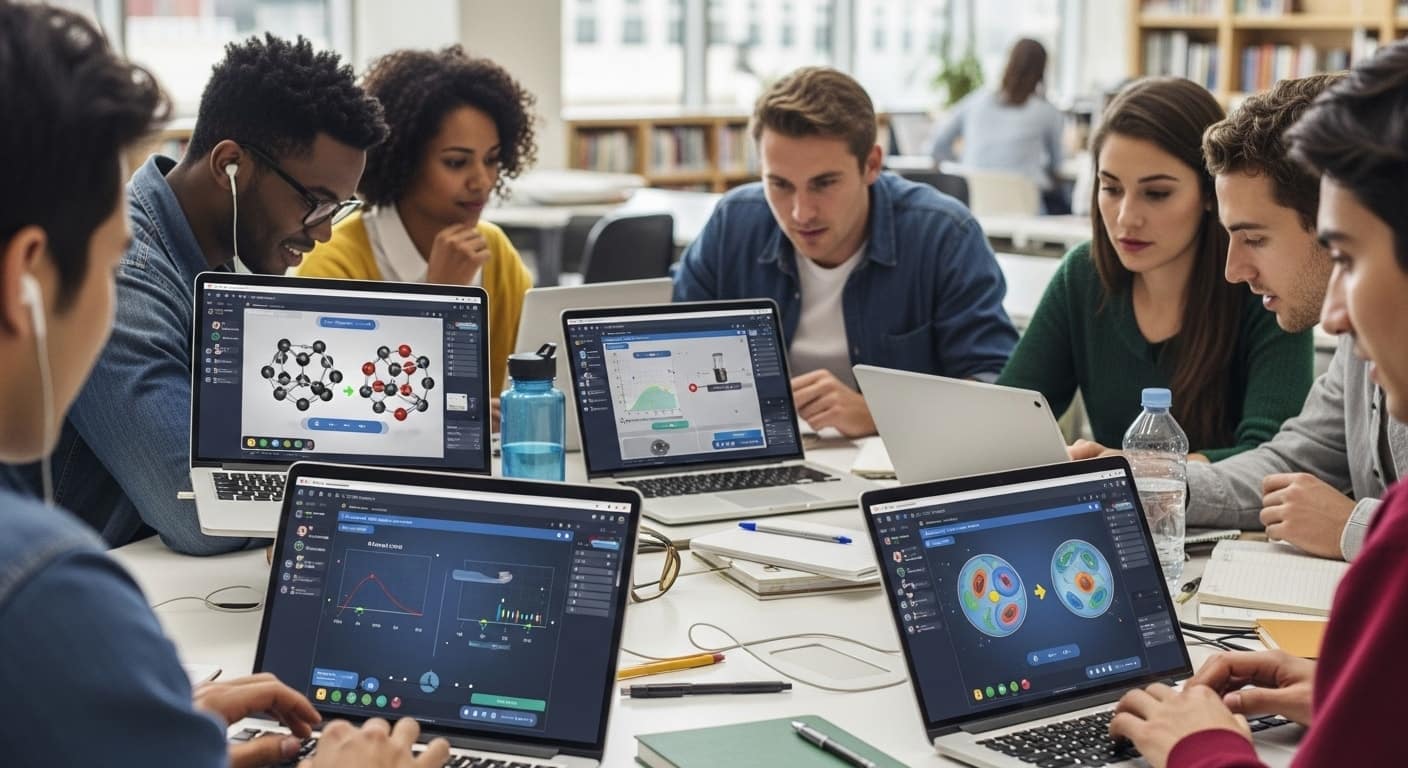
In recent years, virtual labs have moved from optional add-ons to essential tools in many higher education programs. As more courses shift online or adopt hybrid models, institutions are rethinking how to deliver lab-based learning without relying solely on physical space or equipment.
Technology is rapidly changing how students learn scientific concepts. Instead of watching from the sidelines or waiting for limited lab time, students can now engage directly with interactive simulations from any device.
These aren’t just animations—they’re hands-on, scenario-based environments designed to replicate the logic and structure of real-world experiments.
The appeal of online labs lies in their flexibility, accessibility, and ability to support learning across disciplines—from biology and chemistry to engineering and computer science.
In this article, you’ll explore what virtual labs are, how they work, where they’re used, and why more educators and institutions are adopting them to enhance the learning experience.
What Are Virtual Labs and How Do They Work?
A virtual lab is an interactive, computer-based simulation that allows students to perform scientific or technical experiments online. These labs are designed to mimic real-world scenarios by replicating physical lab processes using digital tools and interfaces.
Instead of handling chemicals or wiring circuits in a physical room, students interact with virtual lab simulations that provide step-by-step experiences through a browser or software platform. These simulations often include visual tools, instructions, data input, and feedback—allowing students to engage with the learning process in a hands-on, controlled environment.
Compared to traditional labs, virtual labs remove limitations tied to physical resources. You don’t need lab benches, microscopes, or hazardous materials to explore complex concepts. And because they’re software-based, they’re often available 24/7—giving students the flexibility to learn at their own pace.
These labs are used across many disciplines, including:
- Biology (e.g., virtual microscopes and genetic simulations)
- Chemistry (e.g., molecular modeling, reaction safety)
- Engineering (e.g., circuits, mechanical testing, CAD)
- Computer Science (e.g., networking, cybersecurity, algorithms)
Why Are Virtual Labs Important in Higher Education?

The growth of online courses and remote learning has accelerated the need for alternatives to in-person lab work. For colleges and universities, virtual labs provide an adaptable and scalable solution that benefits both students and faculty.
Main Reasons Virtual Labs Matter:
- Increased Access
Students can engage with lab content from any location, at any time, removing barriers related to geography, scheduling, or disability. - Cost Efficiency
Institutions save on expensive equipment, lab space, and materials. This is especially helpful for large programs or schools with limited infrastructure. - Curriculum Integration
Virtual labs easily align with digital course materials and LMS platforms, allowing for seamless inclusion in both asynchronous and live instruction. - Student Equity
For students who can’t attend on-campus labs—due to work, travel, or health—virtual lab access ensures they’re not left behind in the learning experience.
In short, virtual labs support the broader mission of higher education: to provide high-quality, flexible, and inclusive learning environments that prepare students for complex, real-world challenges.
Which Disciplines Benefit Most from Virtual Lab Simulations?
Virtual labs are not limited to one subject area—they’ve become essential in multiple academic and technical fields. Here’s how different disciplines are using them:
1. Biology
- Virtual microscopes allow students to explore cells and tissues digitally.
- Simulations help students understand genetic processes, ecology, and anatomy.
- No need for fragile specimens or live samples.
2. Chemistry
- Safe simulation of chemical reactions, lab protocols, and mixing processes.
- Molecular visualization tools allow deep exploration of atomic structures.
- Lab safety modules prepare students for in-person labs without risk.
3. Engineering
- Labs simulate mechanical systems, fluid dynamics, and electrical circuits.
- CAD (computer-aided design) exercises build design and problem-solving skills.
- Students can run failure tests or real-time simulations without hardware.
4. Computer Science
- Includes cybersecurity labs, programming challenges, and networking tasks.
- Allows experimentation with systems without compromising real machines.
- Ideal for both beginners and advanced users.
Environmental Science
- Simulations model water testing, waste treatment, and environmental impacts.
- Students study ecological processes that would be difficult to observe in real-time.
- Helps visualize long-term changes and data trends.
These disciplines benefit not just from the flexibility of virtual lab simulations, but from their ability to deepen understanding through repetition, self-paced learning, and safe experimentation.
How Do Students Engage and Learn Through Virtual Labs?
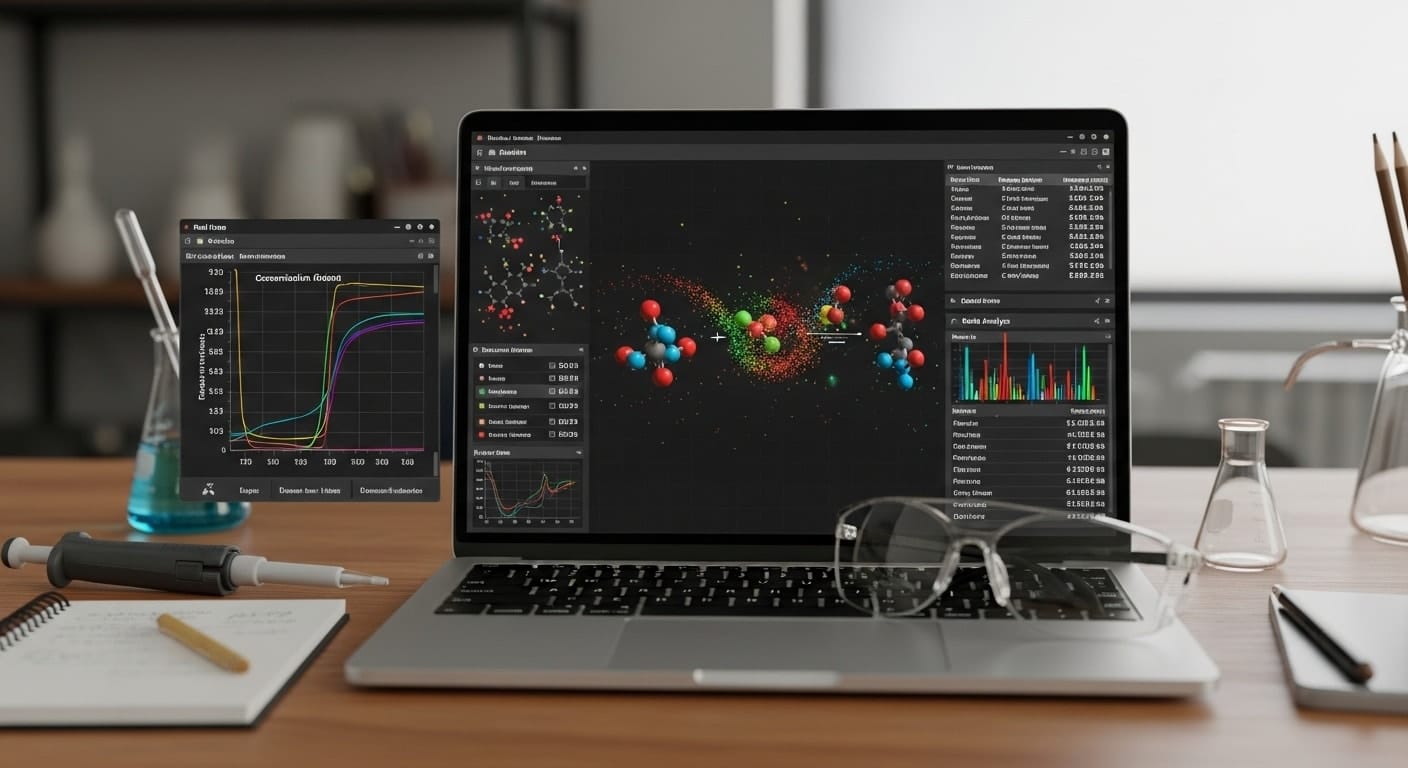
Virtual labs support a more active learning process by placing students directly in control of their learning environment. Instead of passively watching demonstrations or memorizing textbook content, students interact with scenario-based simulations that mimic real-world problem solving.
These labs often include:
- Interactive tools like sliders, graphing panels, and real-time data analysis
- Immediate feedback after each step or action
- Opportunities to repeat experiments for mastery or exploration
Built-in feedback mechanisms play a critical role in student performance. By showing whether a decision was correct—or why it wasn’t—virtual labs help students develop both subject knowledge and scientific reasoning.
In many courses, virtual labs now supplement or replace textbooks, offering a more immersive and applied way to explore concepts. Instead of reading about chemical reactions, for instance, students can simulate them and see outcomes visually.
Additionally, project-based learning fits naturally in these environments. Students can work on long-term virtual experiments, analyze outcomes, and submit reports—all within a digital platform. This mirrors the workflow of modern research, reinforcing both technical and collaborative skills.
Are Virtual Labs Accessible and Affordable?
One of the most compelling advantages of virtual labs is their potential to be both accessible and cost-effective—especially for institutions seeking scalable solutions that don’t compromise learning quality.
1. Access to Free Virtual Labs
A growing number of platforms and resources now offer free virtual labs, including:
- Google-based tools (like PhET simulations)
- Open Educational Resources (OER)
- Digital content libraries provided by university partnerships
These are particularly useful for introductory-level courses or resource-constrained institutions.
2. Device Compatibility
Most virtual labs are browser-based, meaning they work across standard computers, tablets, and even smartphones. This removes hardware barriers for many students, especially those in remote or low-income areas.
3. Ensuring Equity in Access
Institutions can promote equity by:
- Embedding virtual labs directly in the LMS
- Providing device loaner programs
- Training faculty to align labs with inclusive course design
By combining low cost, broad compatibility, and thoughtful implementation, virtual labs give more students the ability to learn in ways that weren’t possible before.
How Are Faculty and Educators Using Virtual Labs Today?
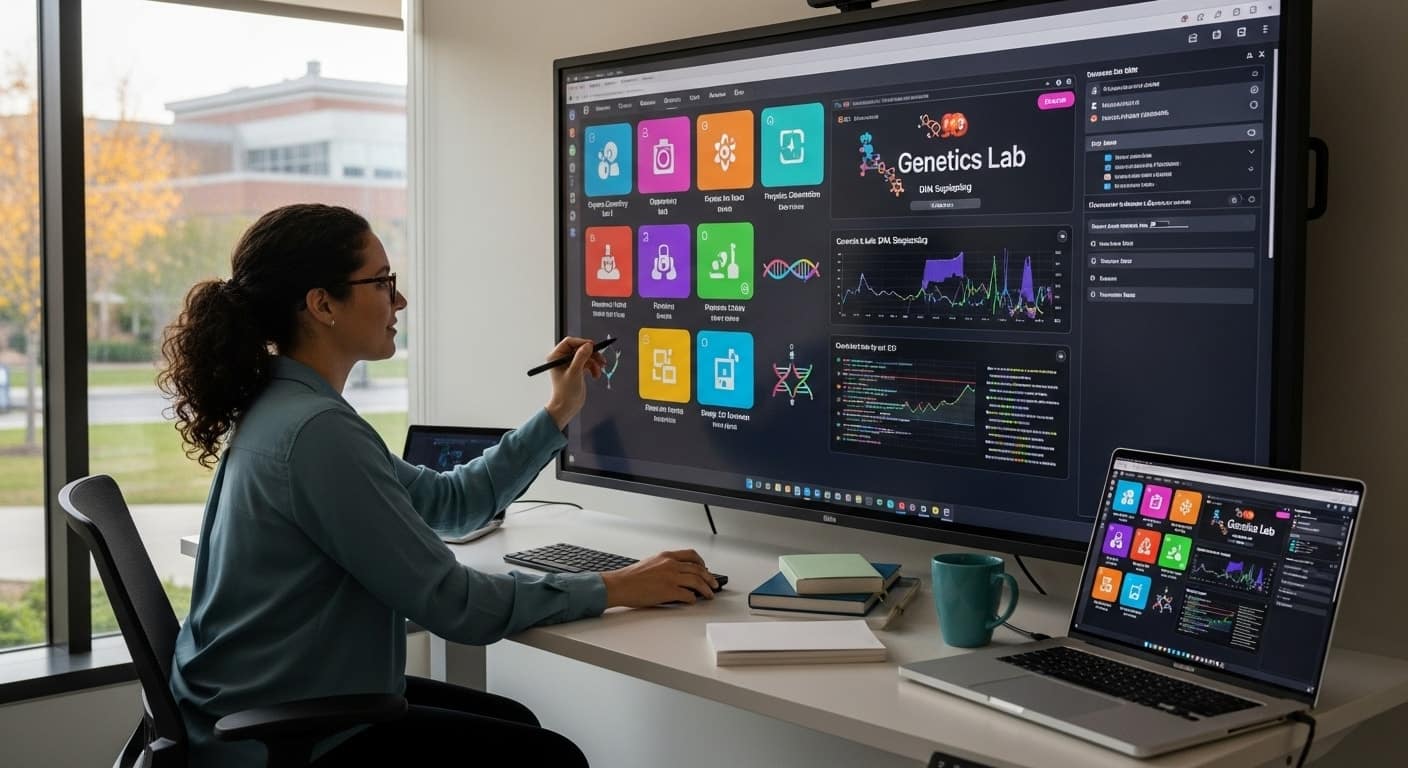
Faculty are at the core of effective virtual lab adoption. It’s not just about selecting a digital tool—it’s about choosing experiences that align with learning outcomes and course objectives.
Educators often play multiple roles:
- Selecting virtual lab platforms based on subject, depth, and usability
- Customizing modules to match their course content
- Integrating labs into weekly or unit-based instruction
In many cases, faculty use virtual labs to enhance—not replace—hands-on learning. For example, a chemistry instructor might use simulations to teach lab safety protocols before students enter a physical lab. Or an engineering professor might assign digital circuit design exercises that students complete before building hardware.
Some universities have even published interviews or case studies showcasing how faculty use virtual labs in live instruction. These stories highlight the flexibility of virtual labs, the variety of tools available, and the impact on student engagement and comprehension.
Whether you’re an educator building your syllabus or an institution evaluating your digital strategy, virtual labs represent a practical, scalable way to enrich the learning experience—without sacrificing academic rigor.
What Should You Look for in a Virtual Lab Platform?
Not all virtual lab platforms are created equally. Some offer advanced simulations with robust interactivity, while others serve basic demonstrations or tutorials. Choosing the right platform depends on your curriculum goals, user base, and technical constraints.
Here are the core features to look for:
1. Realistic Simulations
The platform should allow students to explore authentic lab processes—not just watch animations. Look for interactive modules that replicate actual scientific or engineering workflows.
2. Ease of Use
Students and faculty should be able to navigate the platform intuitively, without long onboarding or extensive technical support. Browser-based access is a major advantage.
3. LMS Integration
Seamless connection to your learning management system simplifies grading, progress tracking, and content distribution. Labs should fit naturally into your course flow.
4. Performance Tracking
Built-in feedback tools and reporting dashboards allow instructors to assess student performance in real time, improving outcomes and adjusting instruction as needed.
5. Cross-Discipline Support
The best platforms offer labs for multiple fields—such as biology, chemistry, engineering, and computer science—so institutions can use one solution across departments.
6. Popular Platforms
Some widely used services include:
- PhET (Physics, Chemistry, Math)
- Labster (Life sciences, simulations with storytelling)
- Apporto (Higher ed virtual desktops, labs, and classroom environments)
- PraxiLabs (3D interactive biology and chemistry labs)
Selecting a platform that offers depth, scalability, and ease of access ensures your investment in virtual labs delivers real value—for both instructors and learners.
What Are the Limitations of Virtual Labs—and How Can You Overcome Them?

While virtual labs offer significant advantages, they’re not without limitations. Understanding the gaps and how to address them is essential for building a balanced learning environment.
1. Common Challenges:
- Lack of tactile experience: Students don’t handle real tools, which may limit skill development in fields requiring precise handwork.
- Limited exposure to lab equipment: Digital environments can’t fully replace the complexity or variability of real-life lab conditions.
2. Practical Solutions:
- Hybrid Models: Combine virtual labs with in-person sessions. Use simulations for theory, preparation, or reinforcement—then apply those skills in a physical lab.
- Faculty Guidance: Instructors can offer context, explain real-world relevance, and guide students through simulated tasks as part of a broader strategy.
- Hands-On Workshops: Where possible, schedule periodic equipment-focused workshops to complement digital learning with physical experience.
Modern academic programs are increasingly built around this hybrid model, using virtual labs to reduce cost and increase access while preserving the hands-on learning necessary in many technical disciplines.
By understanding the trade-offs, institutions can design learning experiences that are not only scalable and flexible—but also grounded in the practical skills students need to succeed.
Why Apporto Deserves a Closer Look
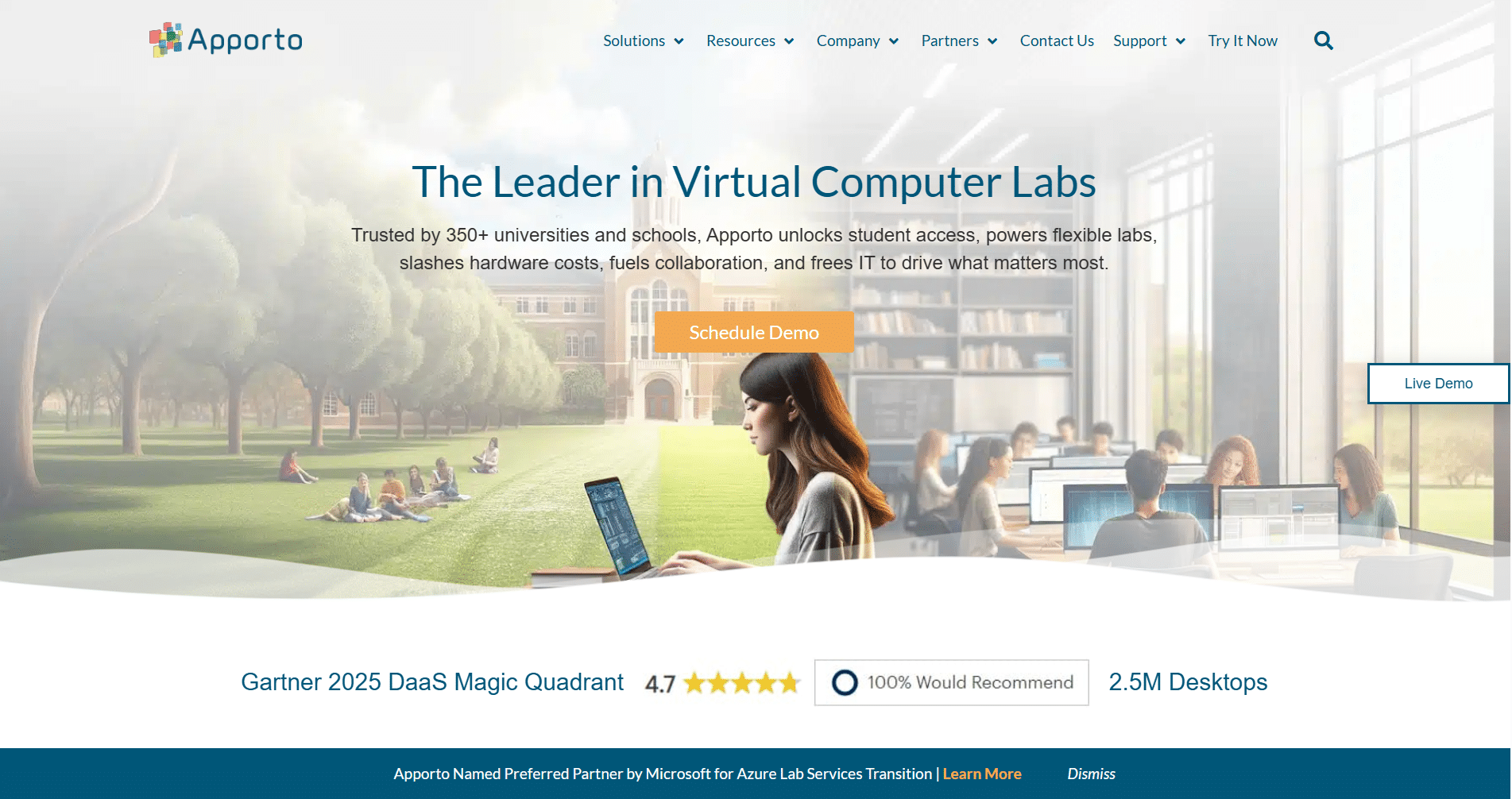
If you’re seeking a virtual lab solution that goes beyond static simulations, Apporto offers a platform designed specifically for higher education and remote lab delivery. It allows students to run full-featured applications—like MATLAB, SolidWorks, or cybersecurity tools—directly from their browser, with no software installations required.
Apporto supports a wide range of disciplines, making it ideal for institutions looking to deploy cross-departmental lab access at scale. Instructors can monitor real-time student activity, integrate labs into their LMS, and ensure equitable access even for students using lower-spec devices.
With Apporto, you’re not just adopting a tool—you’re enabling a virtual lab environment that feels closer to the real thing, while maintaining the flexibility and cost-efficiency that modern learning demands. Explore Apporto’s virtual lab solutions here
Conclusion: How Do Virtual Labs Fit Into the Future of Learning?
Virtual labs aren’t just a temporary workaround—they’re an evolving solution to long-standing challenges in education. They offer the flexibility to teach anywhere, the access to reach more students, the cost savings institutions need, and the scalability required to meet modern demand.
But technology alone isn’t enough. For virtual labs to succeed, they must align with learning outcomes, encourage exploration, and give students the tools to not just watch science—but do science.
If you’re designing a course, evaluating a program, or rethinking your lab delivery, now is the time to assess how virtual labs can play a role. When implemented thoughtfully, they become more than a supplement—they become a foundation for future-ready learning.
Frequently Asked Questions (FAQs)
1. What is a virtual lab in education?
A virtual lab is an online simulation that lets students conduct experiments, explore scientific concepts, or complete technical tasks using a digital interface—often from any device, without physical lab access.
2. How do virtual labs support student learning?
Virtual labs promote active learning by allowing students to interact with simulations, receive real-time feedback, and repeat procedures. They help develop understanding through hands-on practice—even in fully online or hybrid courses.
3. Are virtual labs as effective as traditional labs?
In many cases, yes. While they can’t fully replace tactile experience, virtual labs enhance accessibility, reduce costs, and support deeper learning through repetition and project-based activities—especially when paired with instructor guidance.
4. Which subjects use virtual labs the most?
Disciplines like biology, chemistry, engineering, computer science, and environmental science frequently use virtual labs to simulate experiments, run models, or explore concepts that are difficult to replicate physically.
5. Are there any free virtual lab platforms available?
Yes. Tools like PhET, Google-based simulations, and various Open Educational Resources (OER) provide free virtual lab experiences. Apporto also offers a trial-based model for institutions to explore its full platform.